Mutated Tissue Study, 2026
The piece is articulated as a poetic-artistic exploration of the fragile relationship between humans and nature. The work draws on the image of an organic tissue – as a metaphor for a complex, living system that is in constant flux and can be transformed through external interventions.
Suspended freely within the exhibition space, its outer form is based on the traces left by water in the landscape of Valencia following the flooding disaster at the end of October 2024 – a direct physical inscription of natural events into both urban and natural environments.
Within this outer form unfolds an three-dimensional embroidered structure, organically evocative cellular structure in shades of blue and neon yellow, oscillating between organic quality and artificiality, fragility and stability. The textile structure references biological processes, while simultaneously appearing synthetic and constructed – a tension that reflects the ambivalence of human intervention. On a second level, it is interwoven with dried Posidonia oceanica, which is extremely fragile in this state. This organic material points to the fragile marine ecosystem of the Mediterranean, where Neptune grass plays a key role in carbon sequestration and is simultaneously under threat.
On an artistic level, the rural and marine environments of the Mediterranean are brought into relation, revealing their shared ecological vulnerabilities.
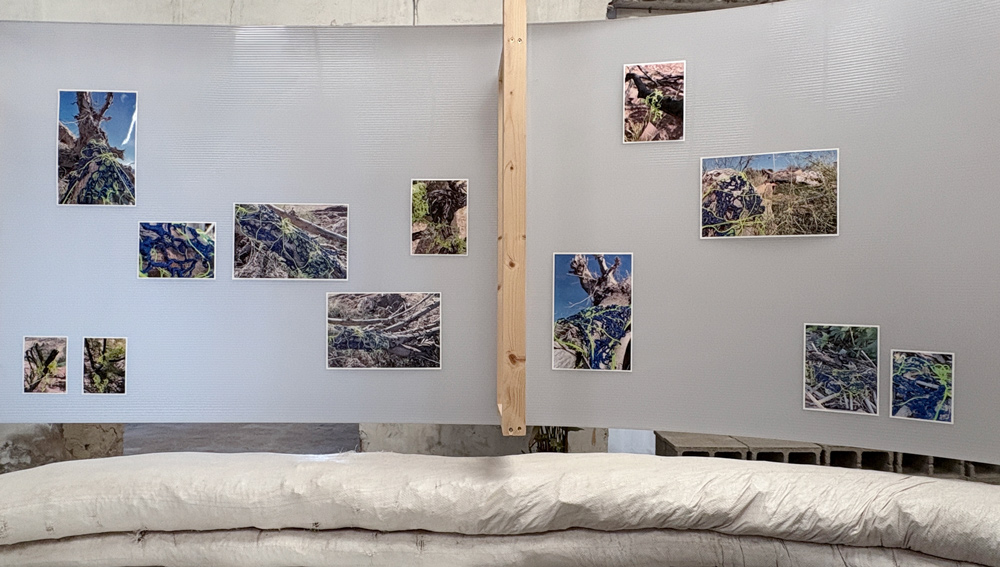
A photographic series was also developed in relation to this theme. The embroidered structure was documented on dead wood, both on wood marked by the effects of flooding and on charred wood from the forest fire in Bejís, near Valencia.
The work is multilayered in its reading between artistic study and sensory experience, examining how ecological equilibria are continuously shifting and being reshaped under human influence.
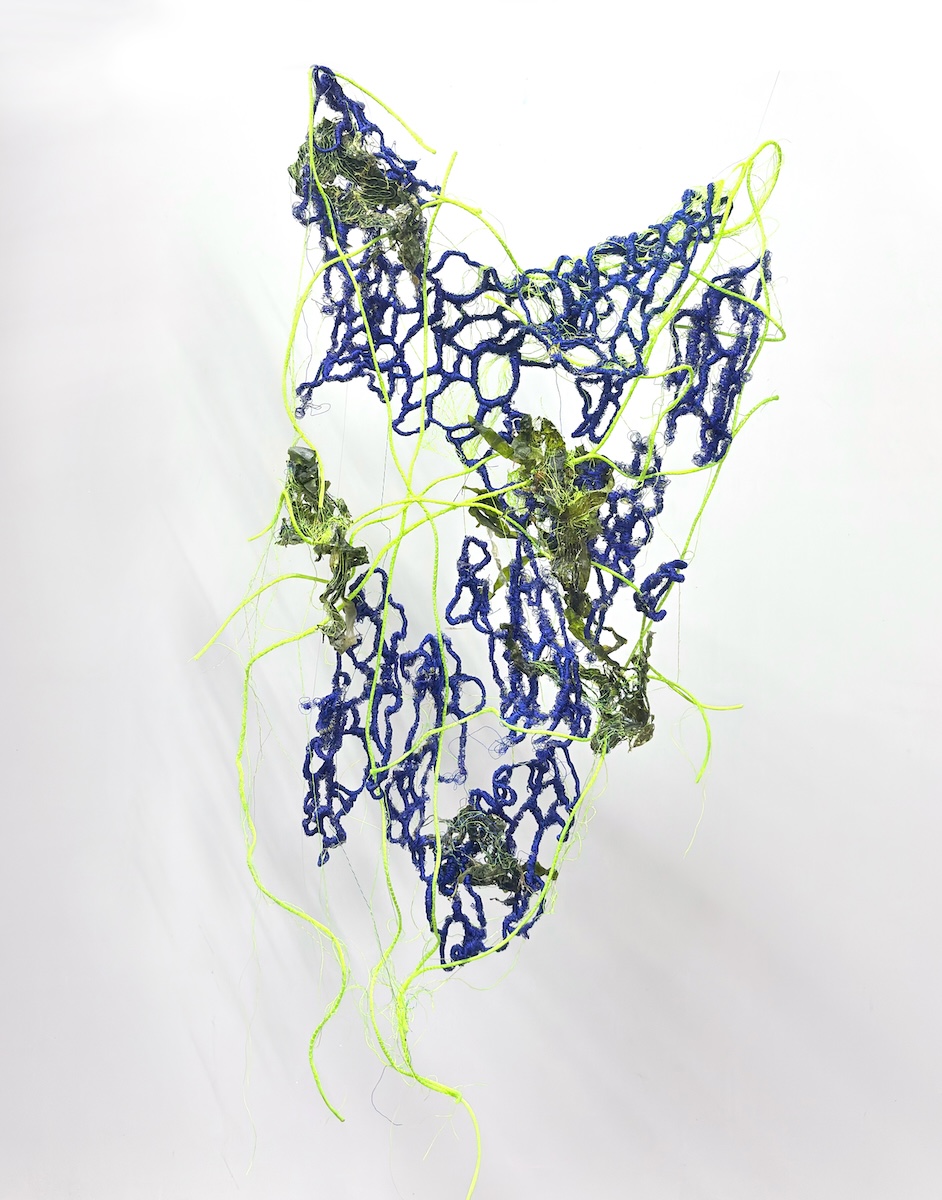
Mutated Tissue Study (test), 2025 | 3D machine embroidery, strings, Posidonia oceanica approx. 65 x 45 cm
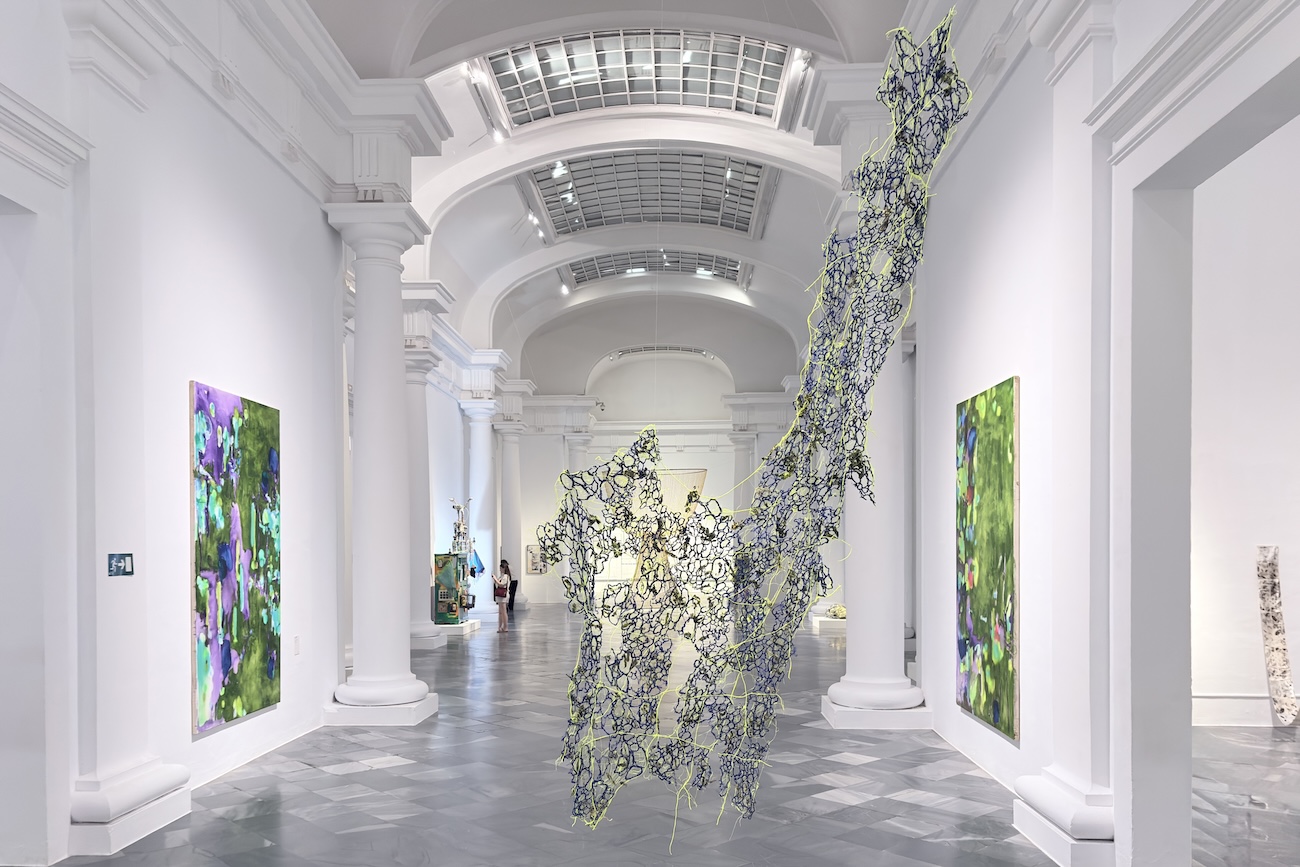
Exhibition view Genealogies del territori | Centre del Carme, Valencia, 2026
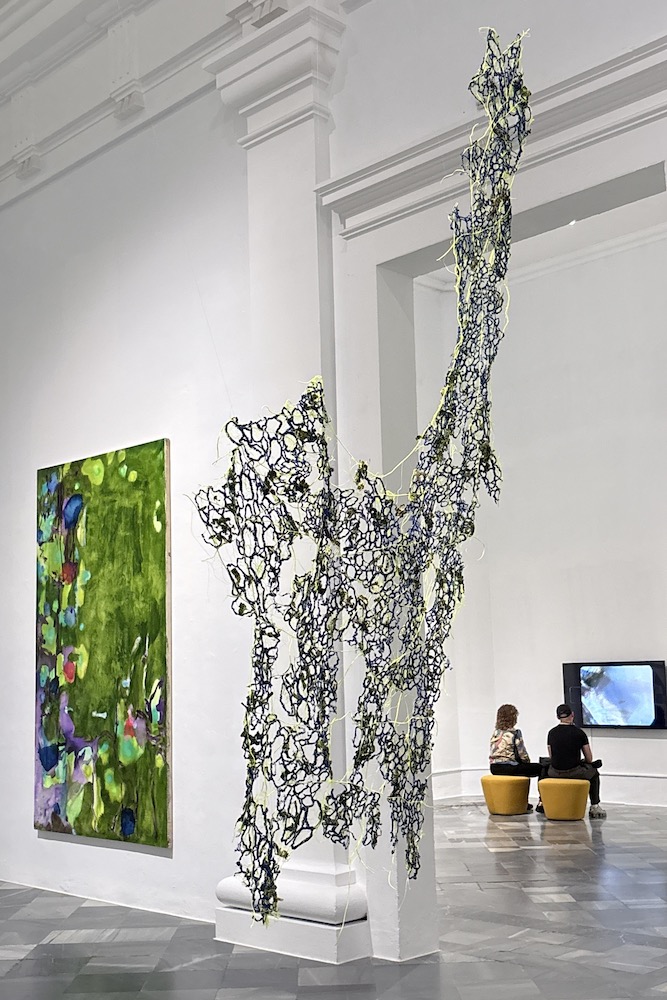
Mutated Tissue Study, 2026 | 3D machine embroidery, strings, dried Posidonia oceanica; aprox. 350 x 130 cm
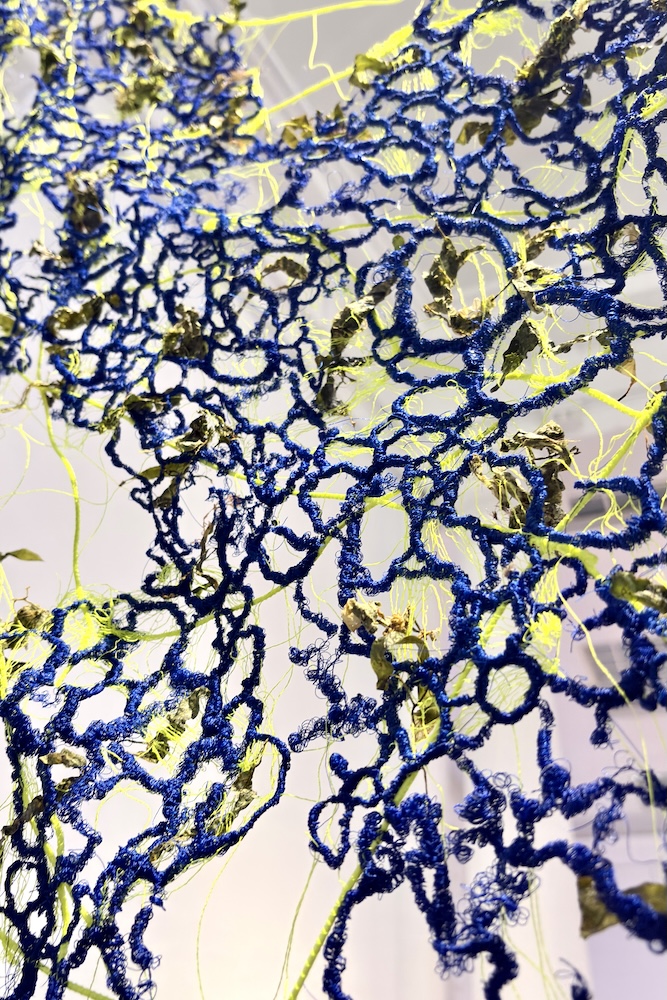
detail Mutated Tissue Study, 2026
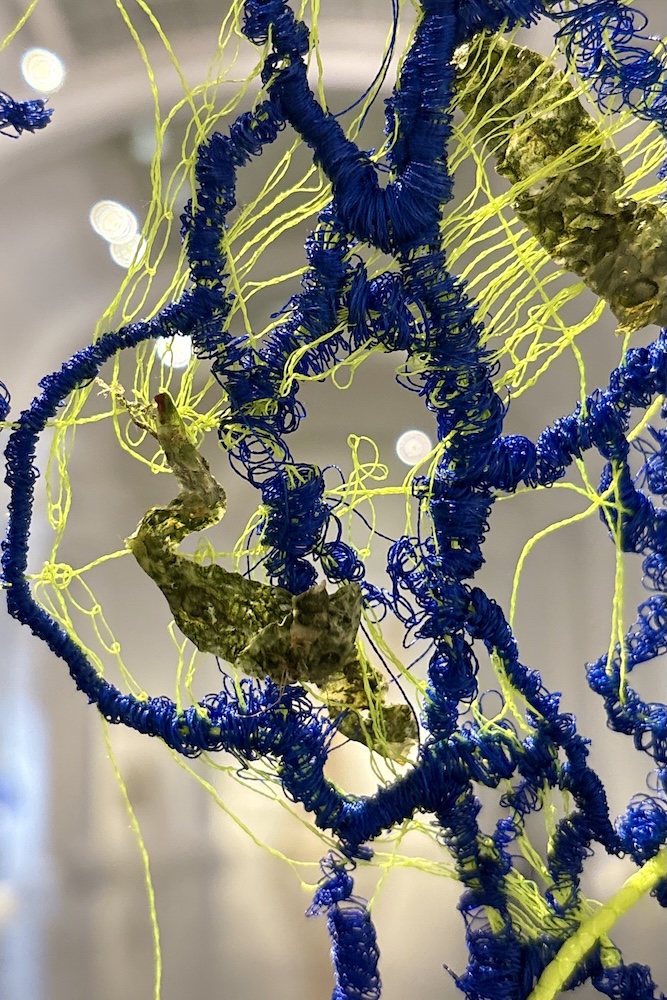
detail Mutated Tissue Study, 2026
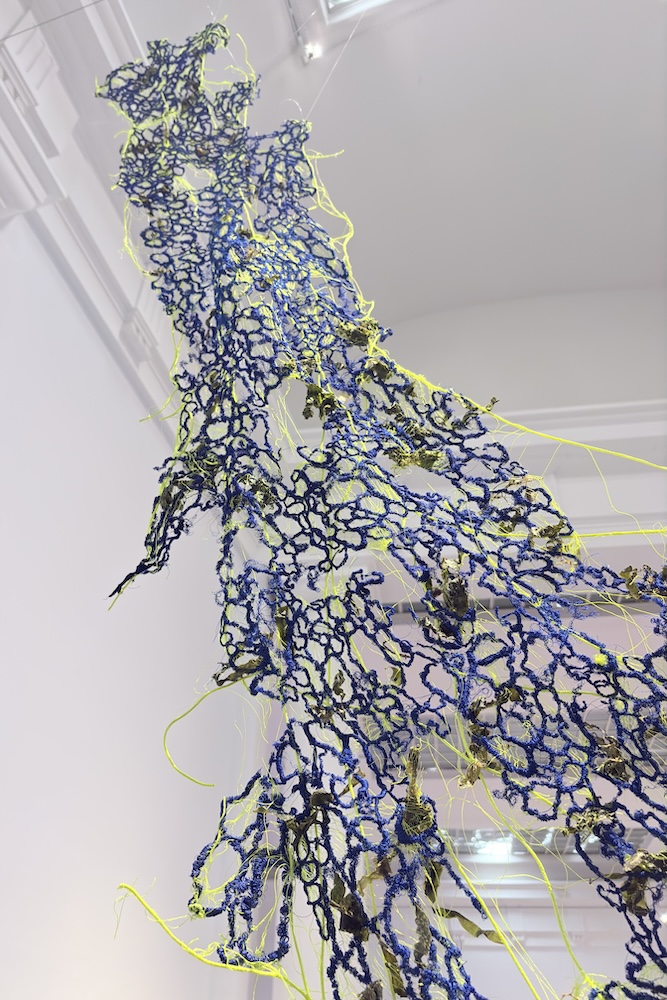
Mutated Tissue Study, 2026 | 3D machine embroidery, strings, dried Posidonia oceanica; aprox. 350 x130 cm
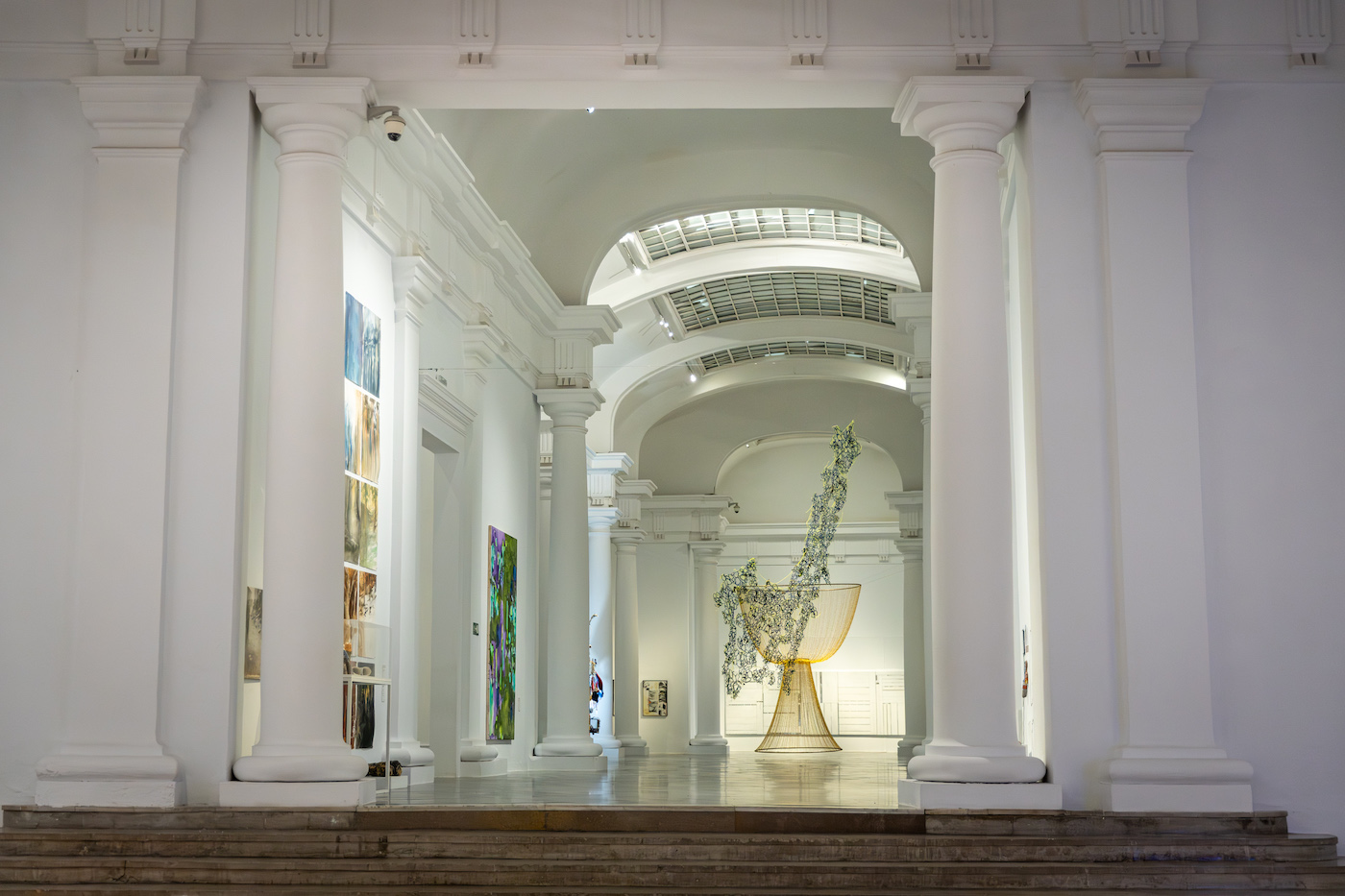
Mutated Tissue Study, 2026 | 3D machine embroidery, strings, dried Posidonia oceanica; photo: Consorci Museus de la Comunitat Valenciana
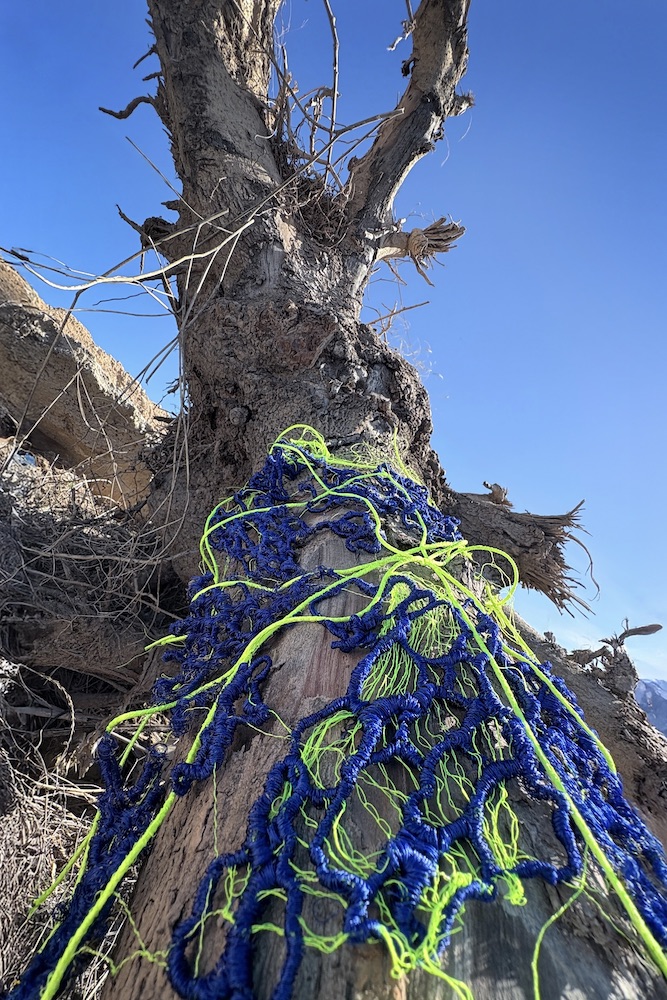
Mutated Tissue Study (in situ), 2025 | 3D machine embroidery on up-rooted tree (DANA), photography
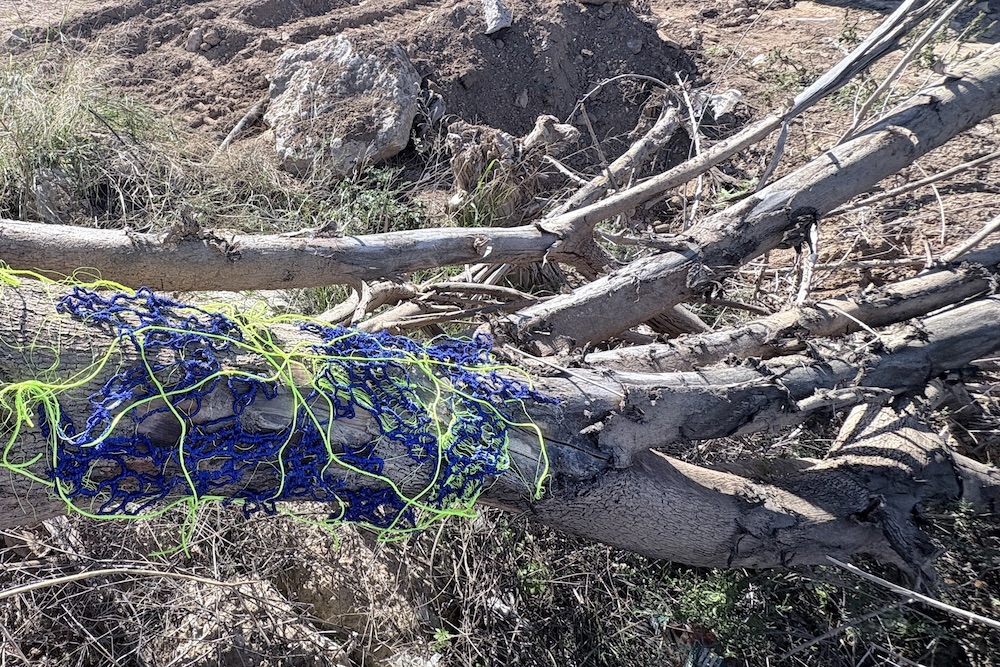
Mutated Tissue Study (in situ), 2025 | 3D machine embroidery on up-rooted tree (DANA), photography
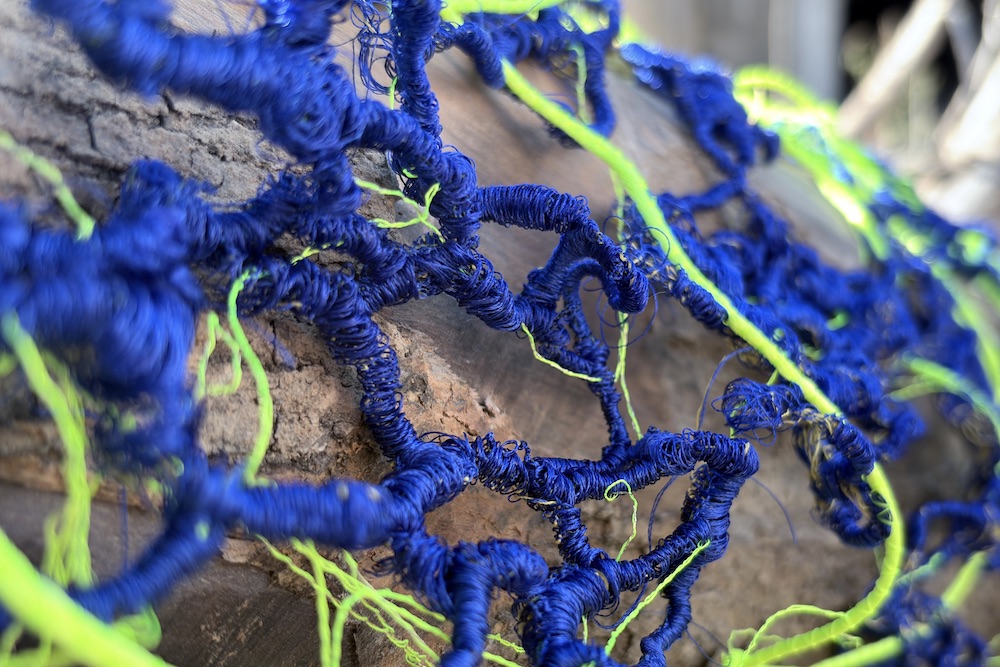
detail Mutated Tissue Study (in situ), 2025
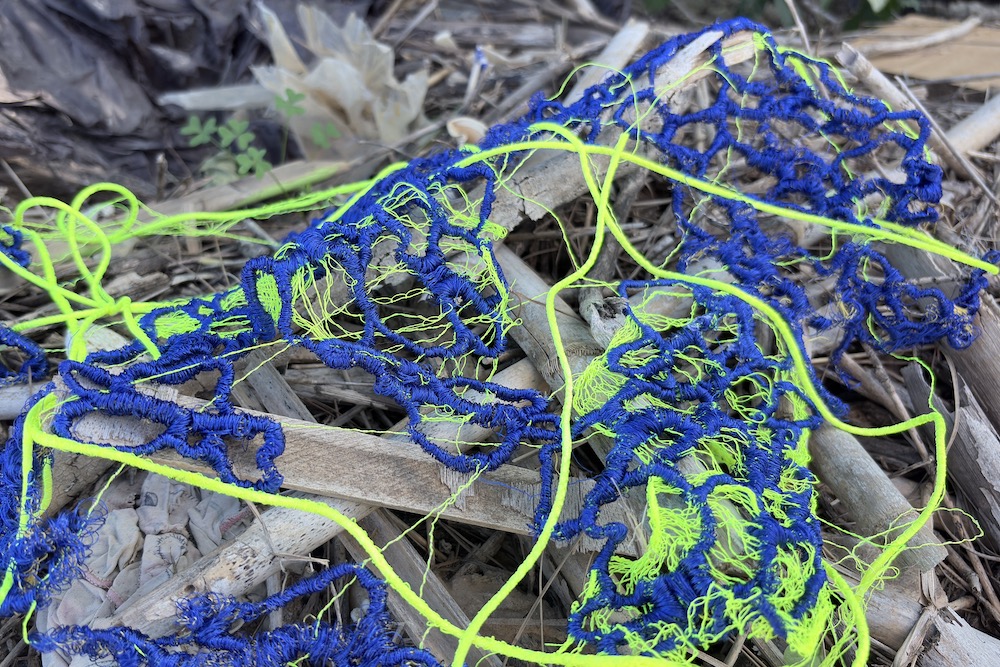
Mutated Tissue Study (in situ), 2025 | 3D machine embroidery on dead wood (DANA), photography
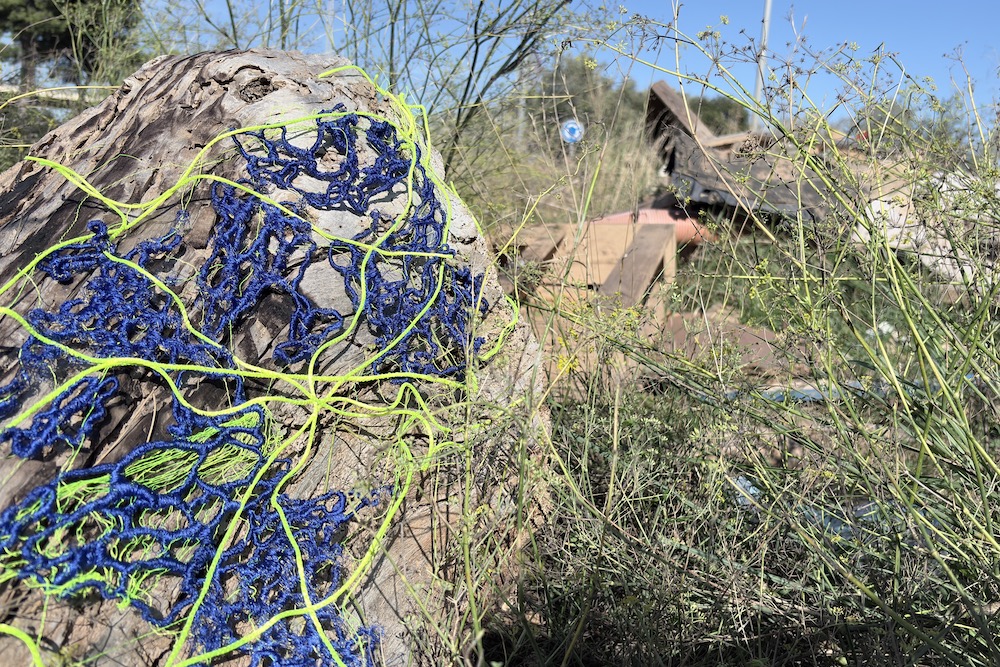
Mutated Tissue Study (in situ), 2025 | 3D machine embroidery on dead wood (DANA), photography